
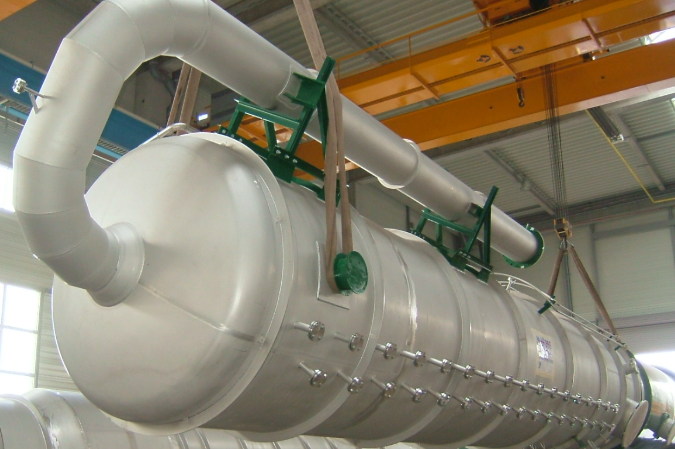
Distillation Columns in Germany
Driving Germany's industrial momentum in BASF Ludwigshafen Verbund chemical complex and specialty chemicals and Volkswagen, BMW, and Mercedes-Benz automotive process utilities and paint shop systems, the Distillation Columns is purpose-built to separate complex fluid mixtures into pure component or specification product streams by boiling point differences, delivering operational reliability across the most demanding plant environments in the country. Each unit is manufactured to AD 2000 Merkblätter, EN 13445, DGRL (PED), TÜV/DEKRA inspection, DIN standards, ensuring full regulatory acceptance by BAM (Bundesanstalt für Materialforschung), TÜV Rheinland, and DGUV German workers compensation inspection for safe, compliant operation throughout Germany. Material selection is driven by Central European temperate climate with cold winter temperature requirements for low-temperature material certification, with carbon steel, 304/316L stainless, Hastelloy, or titanium-clad by column zone corrosivity and temperature specified to ensure long-term corrosion resistance, mechanical integrity, and safe service life in Germany's industrial environments.
In Germany's BASF Ludwigshafen Verbund chemical complex and specialty chemicals, this equipment serves petroleum atmospheric and vacuum crude distillation unit product separation for naphtha, diesel, and residue, while Bayer, LANXESS, and Covestro specialty chemical and polymer manufacturing operations depend on it for cryogenic air separation column for high-purity nitrogen, oxygen, and argon production by fractional distillation, covering the full breadth of the country's priority industrial sectors. BASF, Bayer, Wacker Chemie, and Evonik Industries — representing the premier industrial operators in Germany — select the Distillation Columns rated to trayed and packed columns from 200mm laboratory to 10m+ industrial diameter with full structural analysis for integration into their critical production and utility systems. Germany operators benefit from 40% of global industrial energy in separation drives rigorous column energy optimization for plant economics, a Nord engineering advantage rooted in strict adherence to ASME VIII Division 1 and 2, EN 13445, API 650, and ASCE 7 seismic structural standards and independently verified by authorized inspection body documentation.
Every Nord Distillation Columns supplied to Germany is delivered with full material test reports (MTRs), hydrostatic test certificates, non-destructive examination (NDE) records, and third-party inspection documentation meeting BAM (Bundesanstalt für Materialforschung), TÜV Rheinland, and DGUV German workers compensation inspection requirements.